Nature Intelligence Designed for Energy Projects
De-risk permitting, protect your licence to operate, and prove nature outcomes with trusted, ground-truth biodiversity data, at scale and at pace.
Over 200 energy projects globally use NatureMetrics
24
months
saved during permitting
70%
reduction in
monitoring costs
$100m’s
in asset value
safeguarding




Nature-related risks are financially
material, but hard to measure
The cost of conventional monitoring, accessibility of remote sites, and
poor and fragmented data pose barriers to effective nature risk
management. NatureMetrics is changing this.
Mission Control for
Nature-related Operations
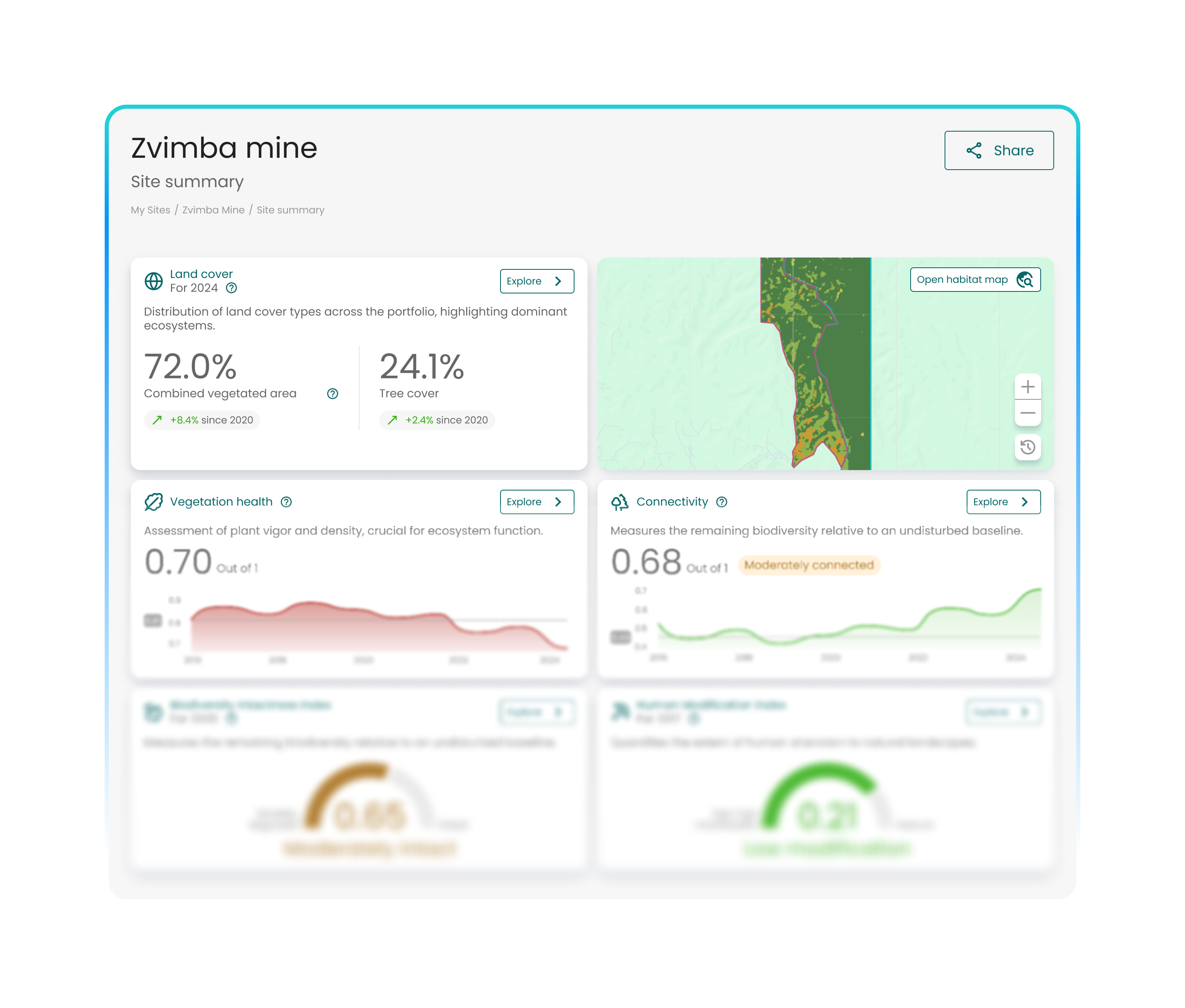
Ongoing insights to inform every stage, from exploration to closure and avoidance to offsetting
- Species-level data from high-integrity eDNA surveys
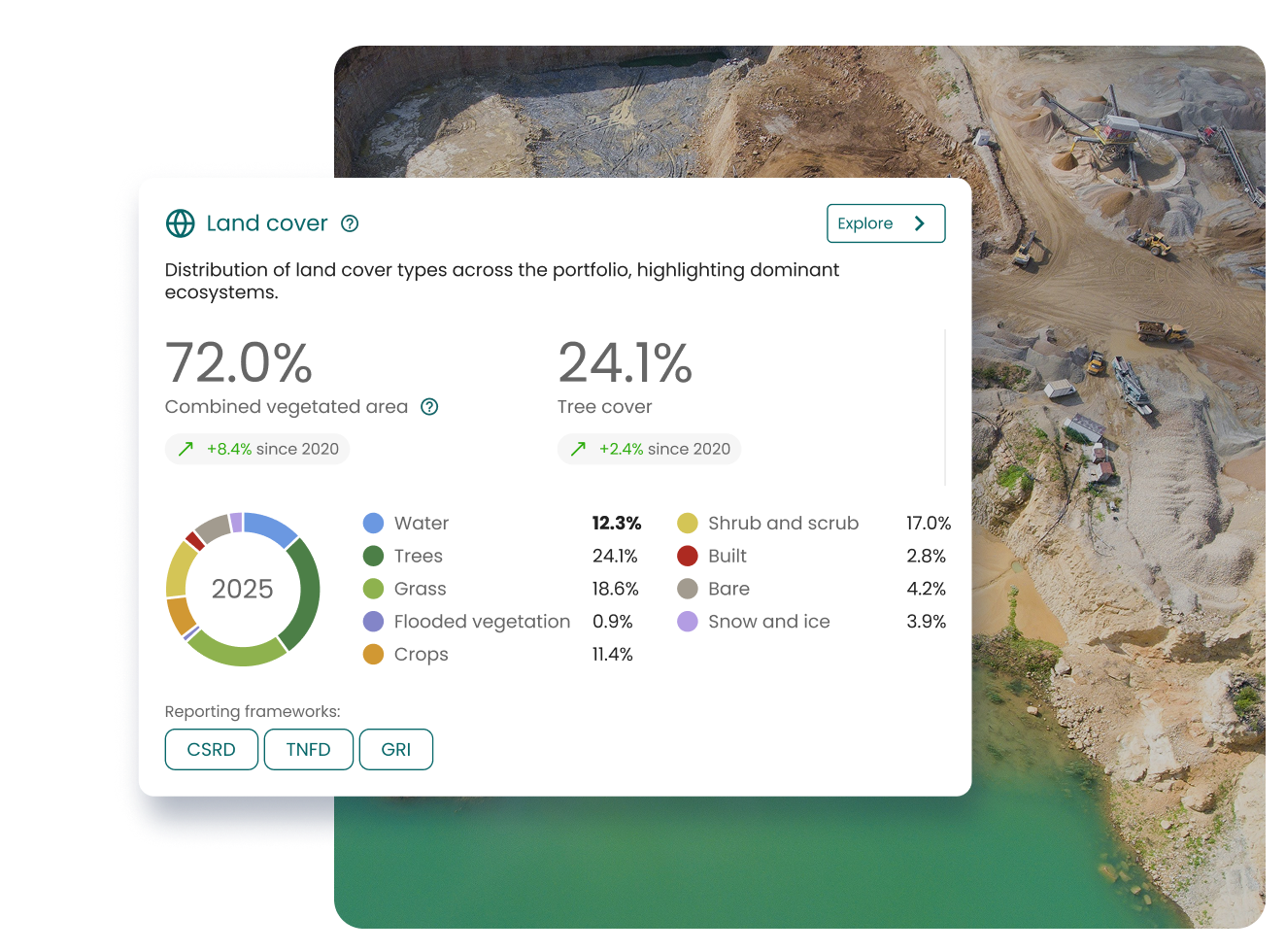
- Compliance-ready habitat insights from geospatial and modelled data
- Integrate existing biodiversity data, including bioacoustics & visual surveys
- Aggregated portfolio and site-level views
- Consultancy from renowned nature experts
- AI-powered insights and predictive analytics
De-Risk Projects Before Capital Is Committed
- Screen sites early to identify critical habitats and species before designs are fixed
- Avoid fatal flaws that trigger redesign, delay, or permit refusal
- Enter permitting with defensible, regulator-ready biodiversity evidence
Evidence Nature-Positive Claims
Sescure buy-in for projects
Improve stakeholder communications by showcasing progress on an intuitive dashboard, utilsiing high impact graphics and easy-to-understand metrics.
Stand Up to Audit and Assurance
Support nature-positive and net-gain claims with transparent, verifiable evidence that holds up under regulatory review and third-party assurance.
Show Progress, Not Promises
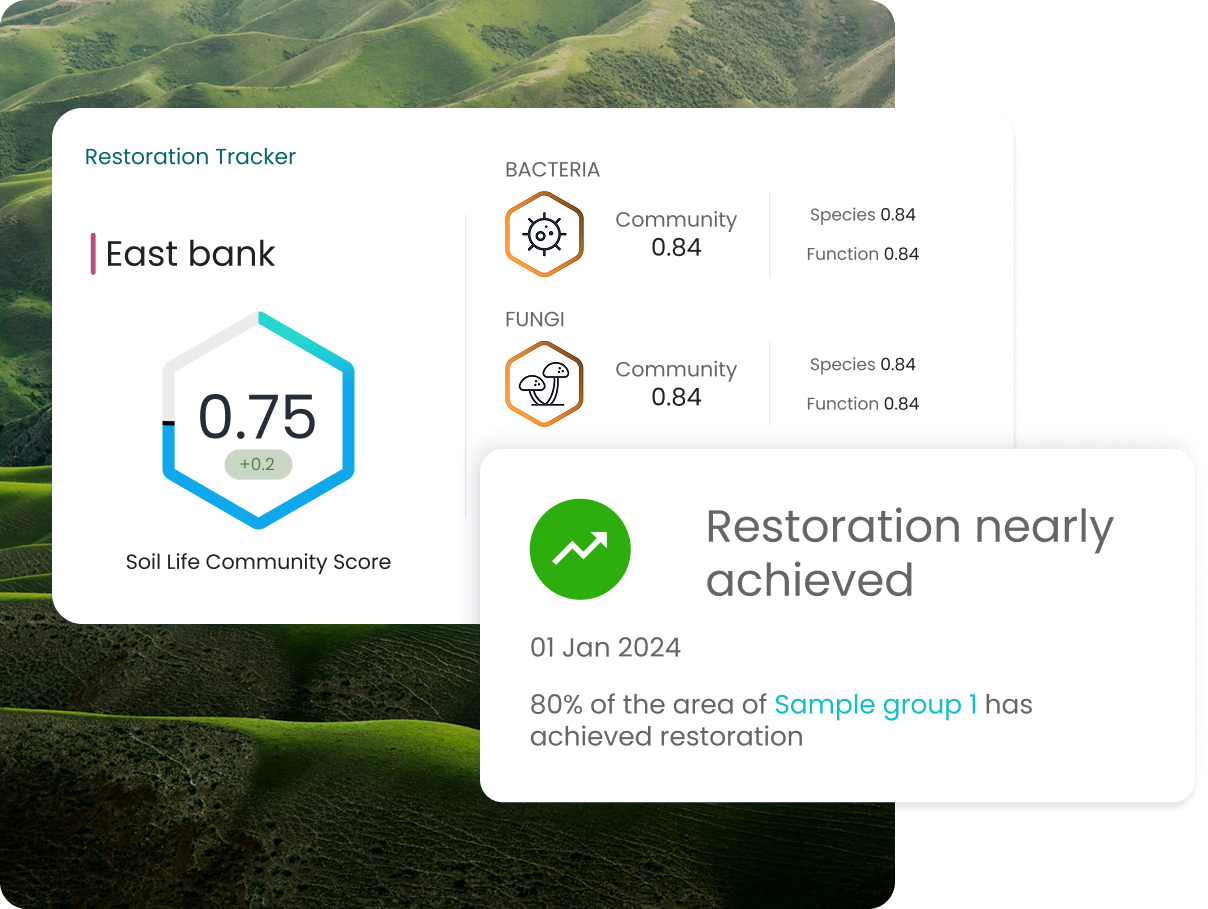
Demonstrate delivery over time with consistent metrics that prove interventions are working and commitments are being met.
Access premium “green” commodity markets
- Meet growing demand for traceable minerals. Buyers like Apple and HSBC-backed funds are paying premiums for sustainably sourced minerals.
- Add credibility to credentials. Continuous biodiversity monitoring provides verifiable proof of provenance, critical in the high-value “green” market.
- Verify nature-positive claims. As the industry shifts to Net Positive Impact, show measurable ecosystem improvements and position yourself as a preferred, future-ready supplier.
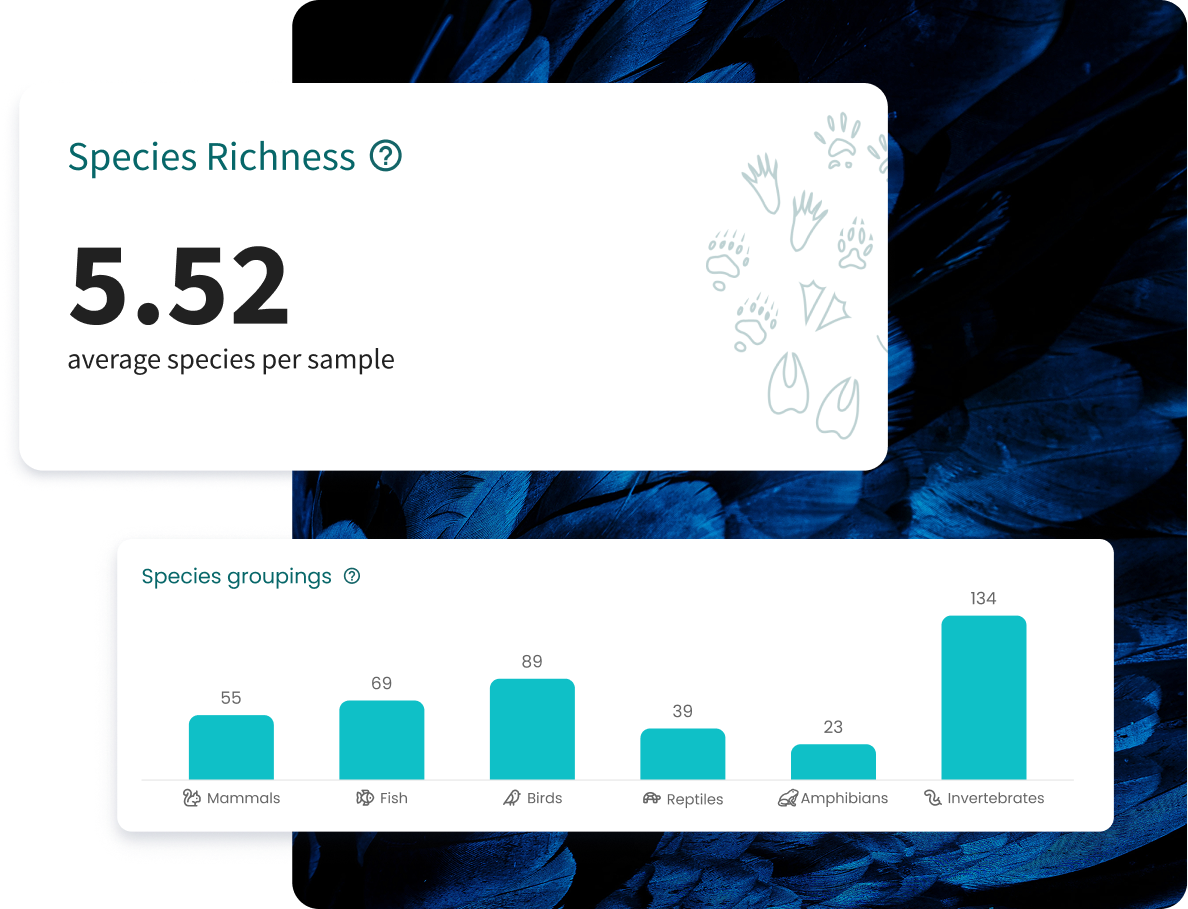
Design smarter nature-based solutions
- Spot opportunities. Scope opportunities for nature-based solutions that stabilise land, protect water, and build site resilience.
- Make impact measurable. Generate robust baselines and ongoing monitoring that evidence results and optimizes management.
- Deliver lasting value. Show you’re going beyond compliance to deliver long-term value that cuts risk, supports communities, and strengthens climate resilience.
Access Actionable Insights For
Every Project Stage

Exploration
Gain early insight into
nature risks

Permitting
Speed up EIAs and generate
regulator-ready reporting
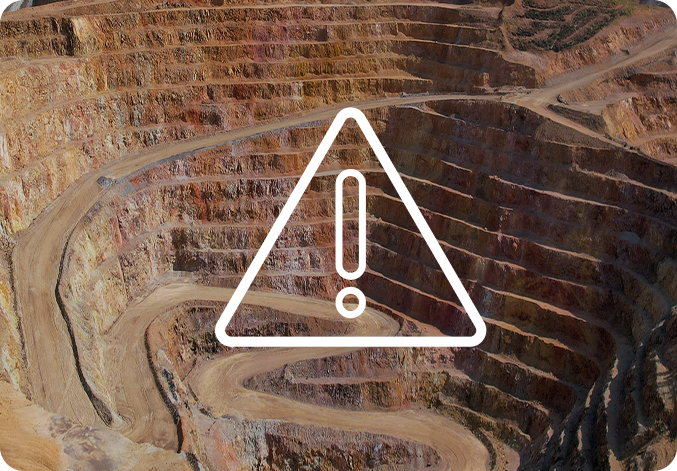
Exploration
Gain early insight into
nature risks
Restoration
Target investment
more effectively and
reduce remediation costs

Closure
Communicate positive
impact with internal
and external stakeholders

Mitigation Hierachy
Enhance all stages of the
mitigation hierarchy: Avoid,
minimise, restore, offset
Leading mining companies choose NatureMetrics
as their nature intelligence partner

70%
more fish species identified, including red
listed and invasive species
40%
reduction in vessel time with only one-third of personnel required
Client Challenge
Rapid offshore wind expansion is putting pressure on traditional fish survey methods. Trawling is slow, costly, weather-dependent, and cannot operate safely within turbine arrays, leaving critical data gaps during consenting and monitoring. Developers needed a safer, faster way to generate robust biodiversity evidence across the full project lifecycle.
Solution
EDF Renewables, Natural Power, and NatureMetrics validated the use of eDNA at an operational offshore wind farm. Water samples were collected across seasons—including within turbine arrays—and analysed to detect fish and other marine species, generating data that could be directly compared with conventional trawl surveys.
Results
eDNA delivered richer biodiversity data than trawling, including species previously undetected and the first detailed insights from within turbine arrays. The approach significantly reduced vessel time and personnel requirements, providing a scalable, non-invasive solution for EIAs, monitoring, and long-term asset management.
Resources
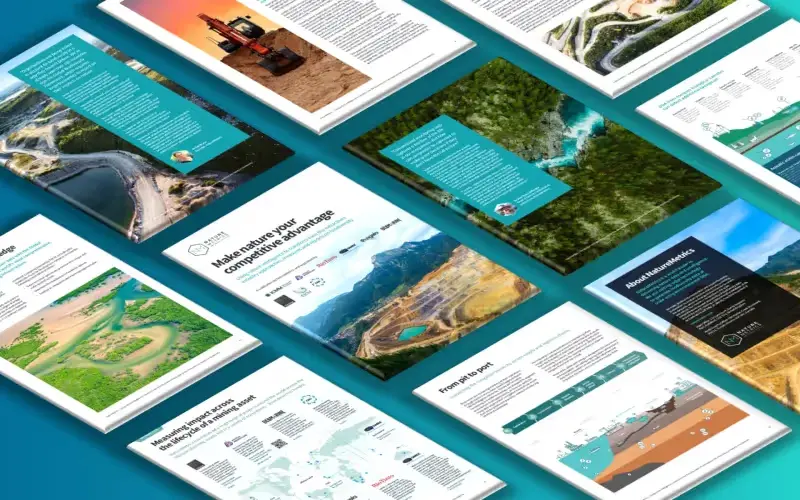
Nature Intelligence for Extractives
Read more >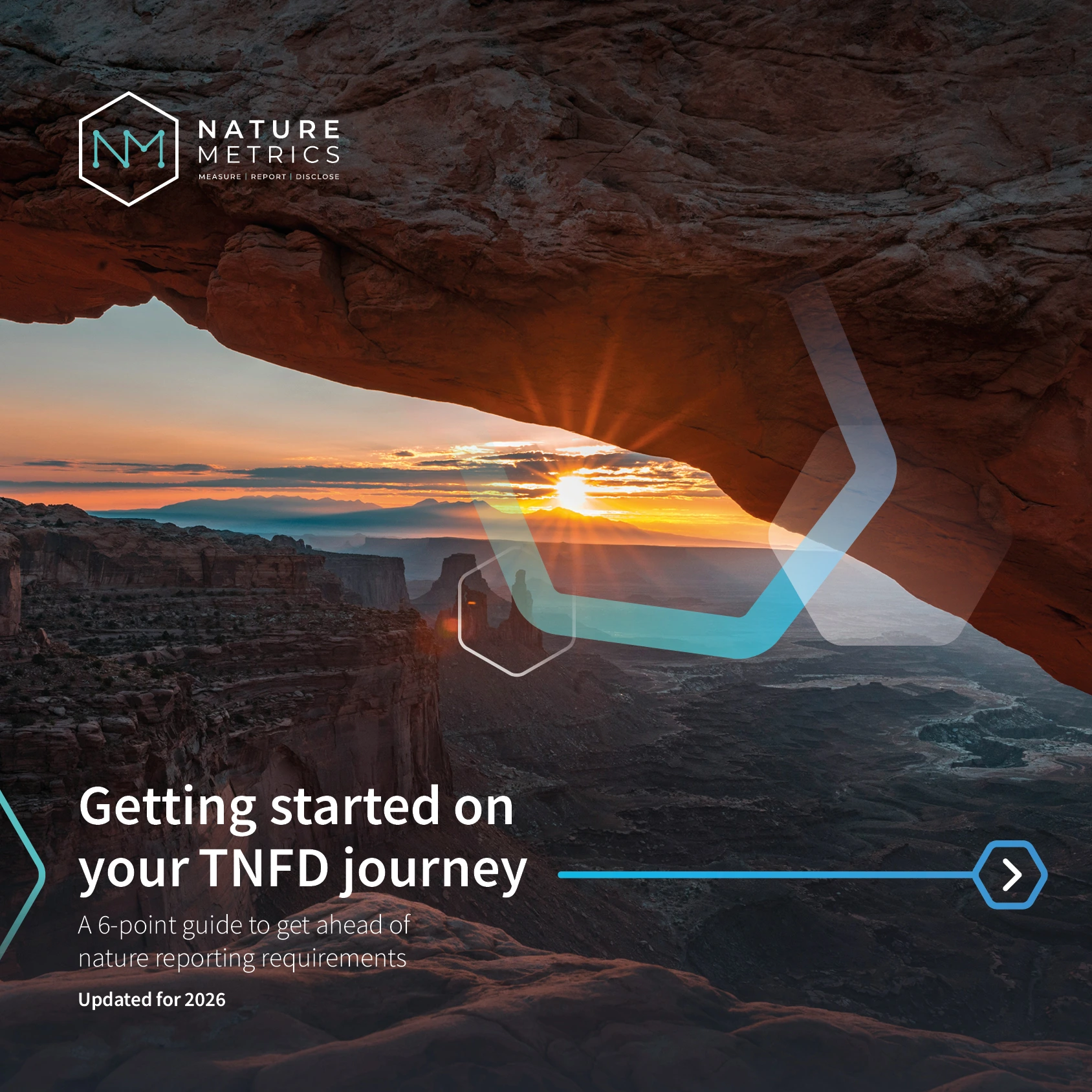
Download our 6-step guide to TNFD
Read more >
The future of Nature-based Solutions with eDNA
Read more >Book a Demo