Nature Intelligence For a Resilient Food System
De-risk permitting, protect your licence to operate, and prove nature outcomes with trusted, ground-truth biodiversity data, at scale and at pace.
Over 200 energy projects globally use NatureMetrics
24
months
saved during permitting
70%
reduction in
monitoring costs
$100m’s
in asset value
safeguarding





Nature-related risks are financially
material, but hard to measure
The cost of conventional monitoring, accessibility of remote sites, and
poor and fragmented data pose barriers to effective nature risk
management. NatureMetrics is changing this.
Mission Control for
Nature-related Operations
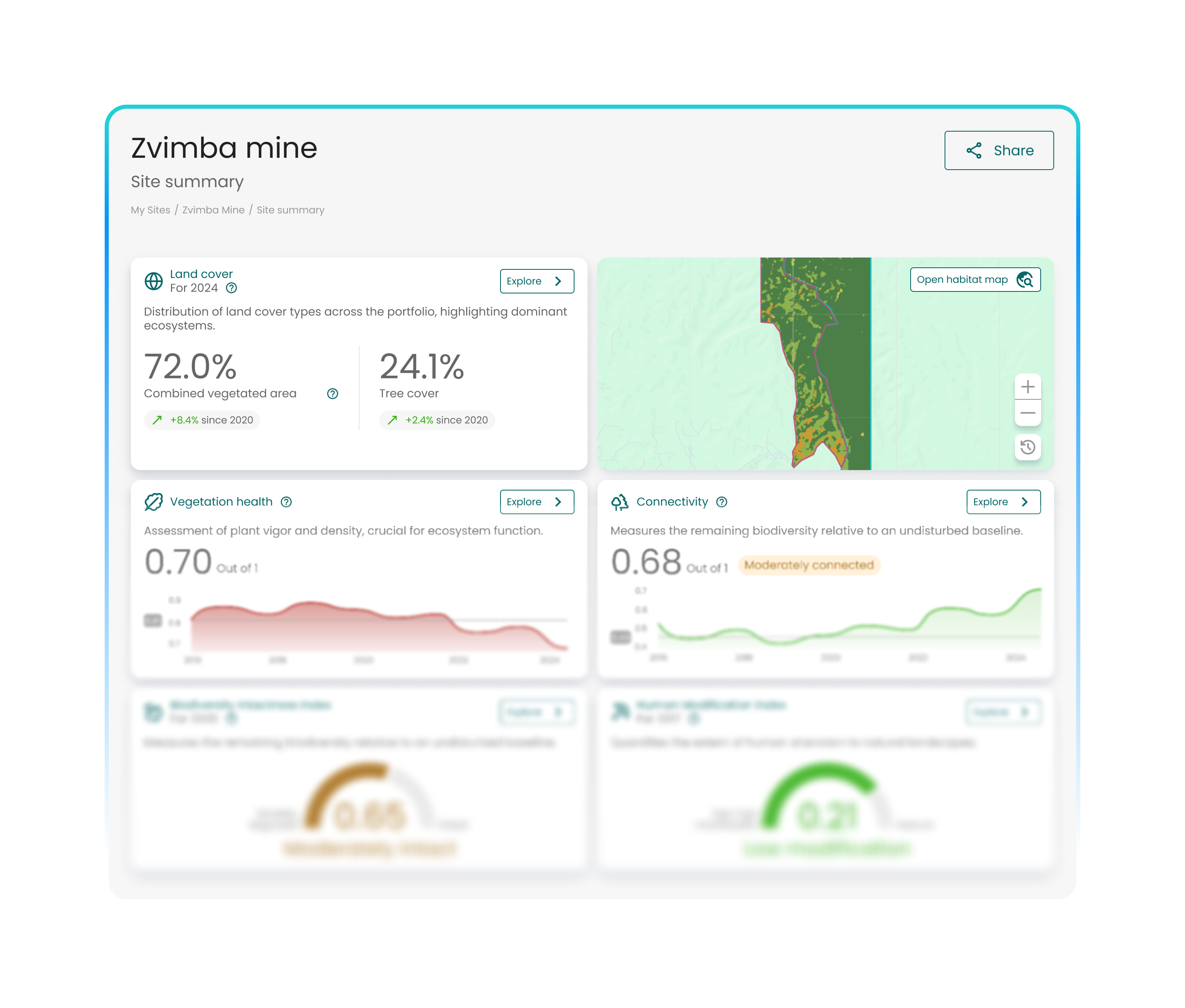
Ongoing insights to inform your supply chain, from region to farm-level
- Species-level data from high-integrity eDNA surveys
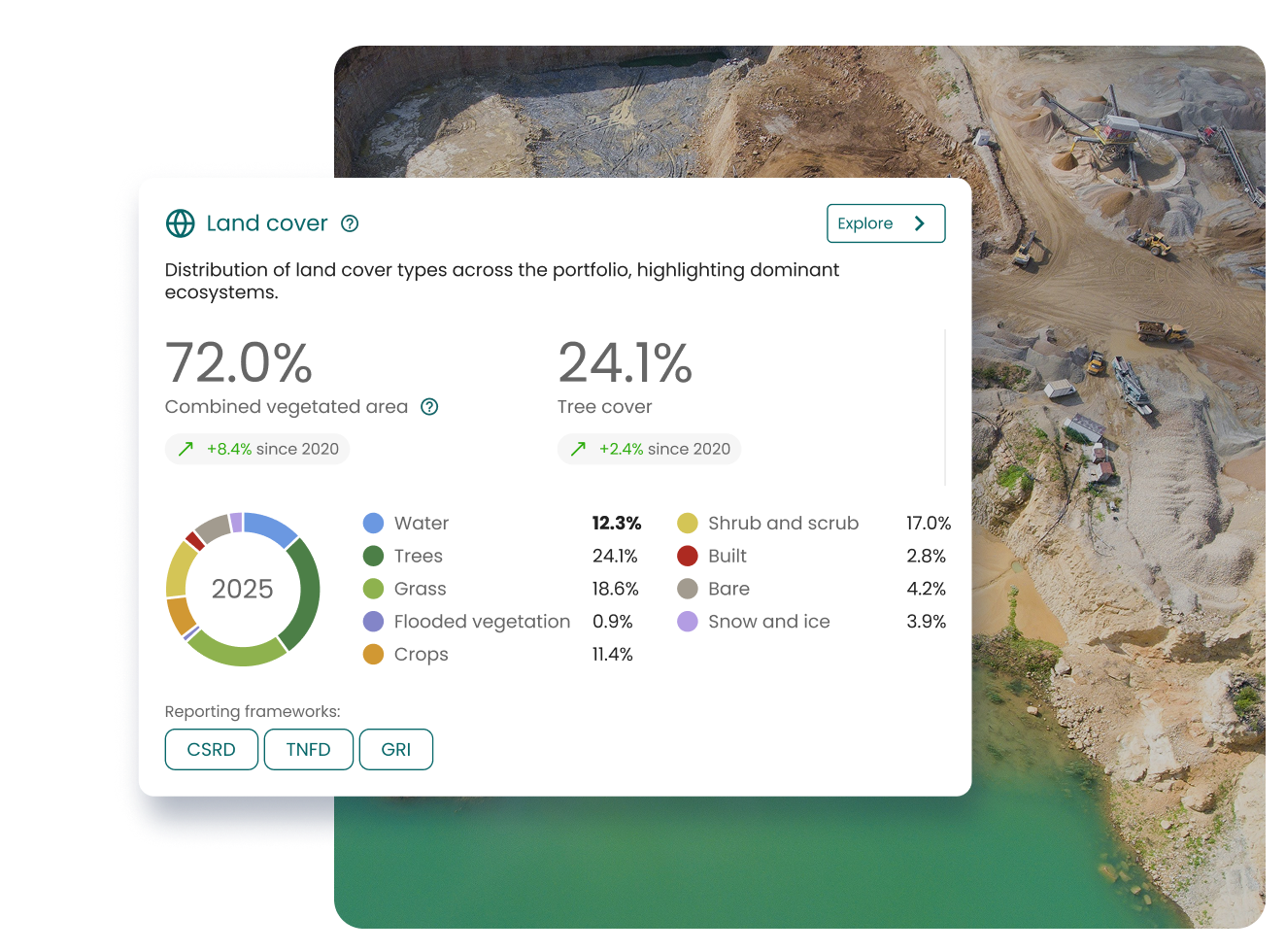
- Compliance-ready habitat insights from geospatial and modelled data
- Integrate existing biodiversity data, including bioacoustics & visual surveys
- Aggregated portfolio and site-level views
- Consultancy from renowned nature experts
- AI-powered insights and predictive analytics
Protect Commodity Supply and Production
- See Supply Risk Clearly. Map nature-related risk across sourcing regions to identify where soil degradation, pests, or habitat loss threaten supply.
- Prioritise What Matters Most. Focus action on high-risk, high-volume assets using risk-adjusted sourcing KPIs such as commodity volume at risk.
- Stabilise Long-Term Production. Reduce yield volatility and protect farm livelihoods by addressing ecological risk before it impacts output.
Prove Traceability and Due Diligence
Link Nature Data to Source Assets
Tie biodiversity and habitat condition directly to farms, suppliers, and sourcing locations.
Meet Regulatory Expectations
Support no deforestation, no conversion, and no significant harm requirements with auditable, site-level evidence.
Replace Static Screens with Live Insight
Move from one-off risk screens to dynamic monitoring across entire supply chains.
Demonstrate Resilience to Investors and Lenders
- Aggregate Risk at Portfolio Level. Roll up site and supply-chain data into a clear view of nature exposure across assets.
- Report with Confidence. Generate framework-aligned metrics that demonstrate how dependencies and impacts are being actively managed.
- Secure Access to Capital. Provide the credible data investors need to assess resilience and long-term value.
Optimise Operations and Resource Allocation
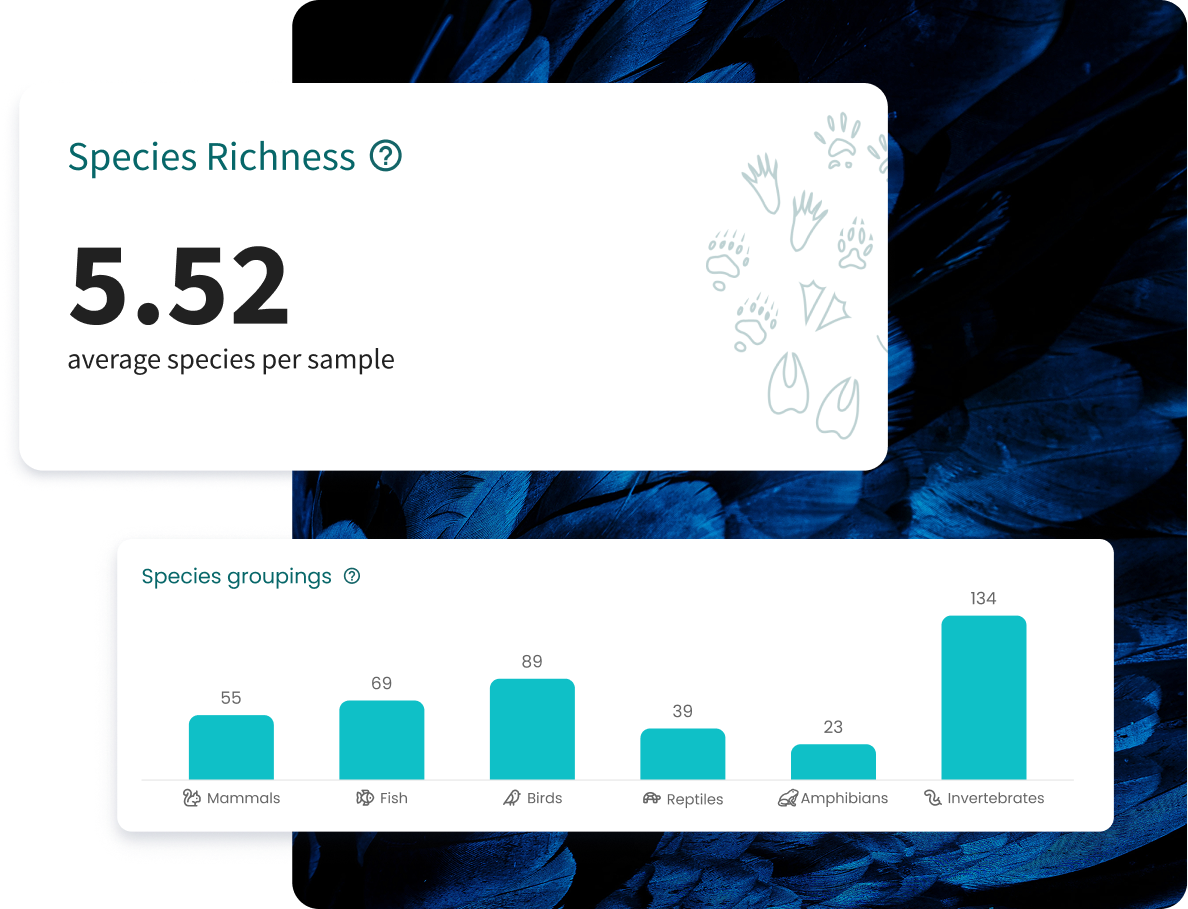
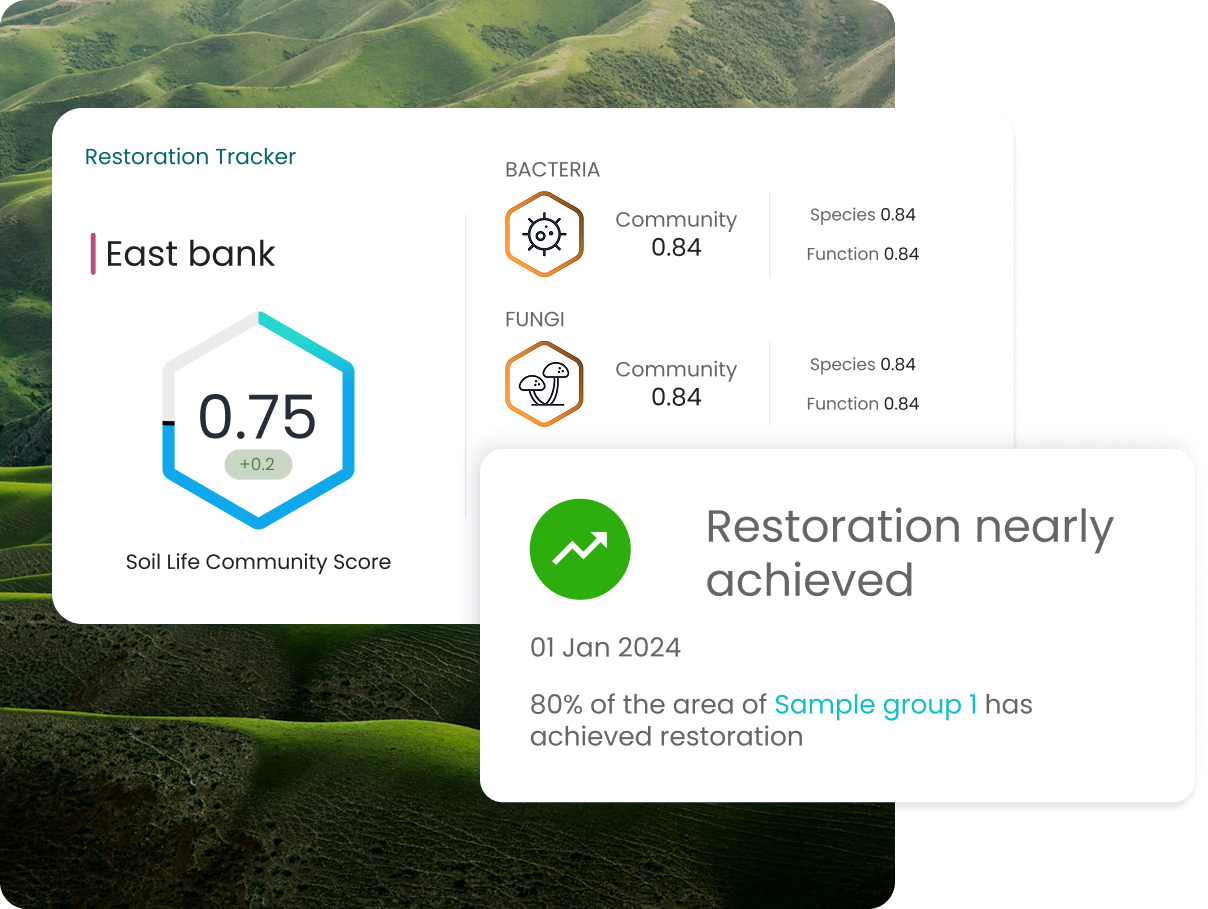
- Detect Early Warning Signals. Track risk precursors such as soil health, pollinator richness, habitat fragmentation, and pests before they impact yields.
- Compare What Works. Assess outcomes across farms and interventions to identify which practices deliver the strongest ecological and operational returns.
- Invest for Maximum Impact. Direct spend toward actions that improve resilience, productivity, and long-term profitability.
Solving for Challenges Across the Value Chain

Producers
Measure soil, water, and biodiversity health to target actions that protect yields and long-term viability.

Processors
Identify upstream nature risk and prioritise sourcing from more resilient farms and regions.
FMCG
Reduce supply risk and prove due diligence across complex, multi-tier supply chains.

Retailers
Support responsible procurement with verifiable, farm-level nature data.

Input Manufacturers
Show how products improve soil and ecosystem performance with measurable outcomes.

Natural Capital Markets
Verify nature outcomes with trusted, ground-truthed evidence.
Leading brands and agri-food companies choose NatureMetrics as their nature intelligence partner

70%
more fish species identified, including red
listed and invasive species
40%
reduction in vessel time with only one-third of personnel required
Client Challenge
Rapid offshore wind expansion is putting pressure on traditional fish survey methods. Trawling is slow, costly, weather-dependent, and cannot operate safely within turbine arrays, leaving critical data gaps during consenting and monitoring. Developers needed a safer, faster way to generate robust biodiversity evidence across the full project lifecycle.
Solution
EDF Renewables, Natural Power, and NatureMetrics validated the use of eDNA at an operational offshore wind farm. Water samples were collected across seasons—including within turbine arrays—and analysed to detect fish and other marine species, generating data that could be directly compared with conventional trawl surveys.
Results
eDNA delivered richer biodiversity data than trawling, including species previously undetected and the first detailed insights from within turbine arrays. The approach significantly reduced vessel time and personnel requirements, providing a scalable, non-invasive solution for EIAs, monitoring, and long-term asset management.
Resources

Nature Intelligence for Extractives
Read more >
Download our 6-step guide to TNFD
Read more >
The future of Nature-based Solutions with eDNA
Read more >Book a Demo